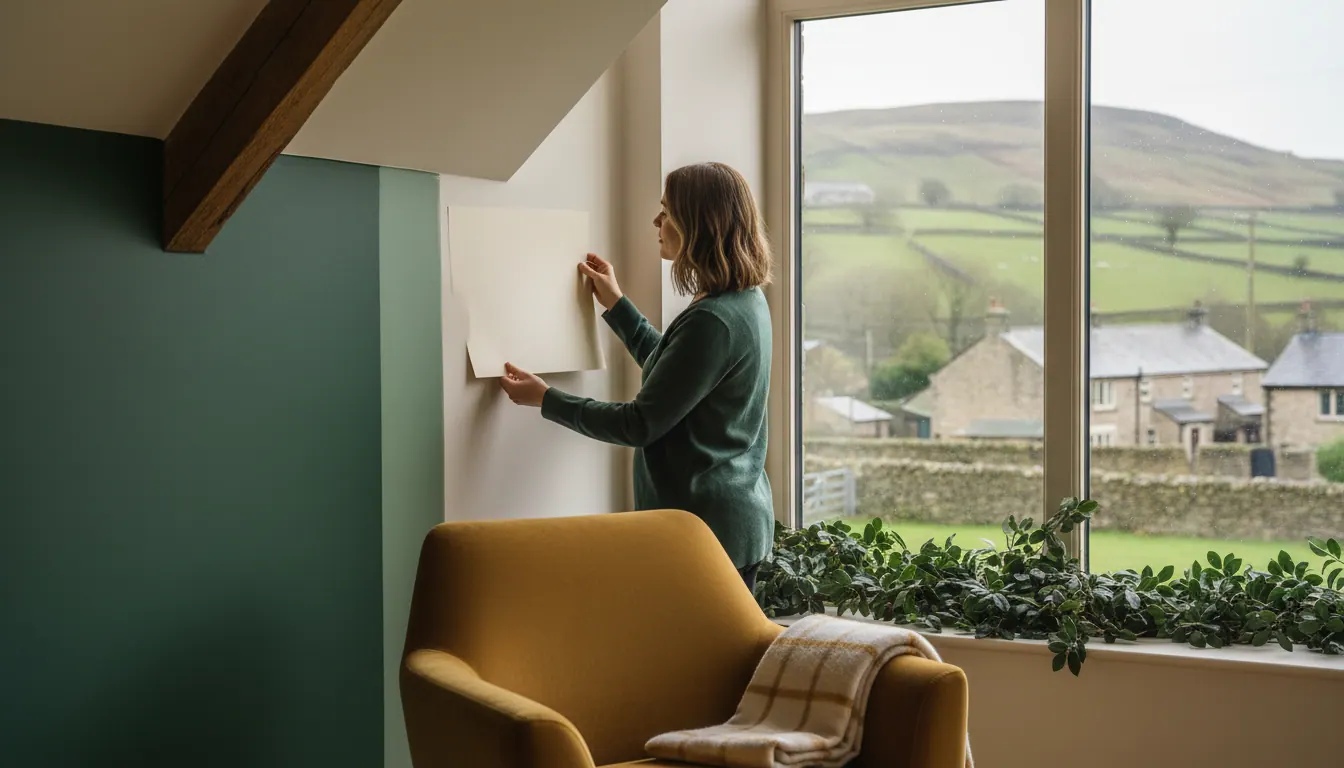
What a Smooth Painted Finish Requires in West Yorkshire Interiors
Want a smooth painted finish on your interior walls, ceilings and woodwork? Here is how we achieve it in West Yorkshire homes, and what really makes the difference.

What a Truly Smooth Painted Finish Actually Takes
A smooth painted finish is one of those things that looks effortless when it is done properly, and glaringly obvious when it is not. Bumps, brush marks, roller stipple, lap lines, the odd hair embedded in the top coat. Every imperfection catches the light, and in a room with natural daylight coming in at an angle, there is nowhere to hide.
We work on interiors across West Yorkshire, from terraced houses in Halifax to stone-built semis in Ilkley, and the question we hear more than almost any other is: "How do I get my walls to look really smooth?" The honest answer is that it comes down to preparation, the right products for the surface, the right application method, and patience. No single trick covers all of it.
This guide covers the whole process, wall by wall and surface by surface, so you know exactly what is involved.
Why Preparation Is the Whole Game
Painting over an imperfect surface does not hide the imperfection. It frames it. A fresh coat of paint in a beautiful colour will still show every old screw hole, every hairline crack, every ridge left by a previous decorator who did not sand back their filler properly.
Before a brush or roller touches a wall in any room we work in, the surface goes through a proper preparation sequence:
- Fill all holes and cracks. Fine surface filler, applied flush and left to dry fully before sanding back flat.
- Sand any raised areas. Old paint ridges, flaking edges and rough patches all need to be knocked back.
- Wash down surfaces. Grease, dust and residue from everyday life will stop paint bonding cleanly.
- Prime where needed. Fresh plaster, repaired patches and bare wood all behave differently to a sealed surface. The right primer at the right stage prevents uneven absorption that causes a patchy, dull result.
Skipping any of these steps is where most DIY smooth-finish attempts fall down. The painting itself is actually the shorter part of the job.
For a full breakdown of what proper room preparation involves, our article on how to prepare a room for decorating in West Yorkshire goes through it in detail.
Choosing the Right Finish for Interior Walls
The sheen level of a paint affects both how smooth it looks and how it performs day to day. This is worth thinking about before you settle on a product.
Matt emulsion is the most popular choice for walls and ceilings in living rooms and bedrooms. It absorbs light rather than reflecting it, which means minor surface irregularities are far less visible. For older West Yorkshire homes with walls that are not perfectly flat, a quality matt finish is usually the most forgiving option.
Eggshell and satin sit in the middle ground. They have a soft sheen, are more washable than matt, and suit hallways, kitchens and rooms that take more traffic. The trade-off is that any unevenness in the surface shows up more clearly under a sheen finish, so preparation has to be especially thorough.
Gloss and satinwood are most commonly used on woodwork, skirting boards, door frames and doors. They are hard-wearing and easy to wipe down, but they are the most unforgiving of all. Any brush mark, any grain that has not been sanded smooth, any contamination on the surface will be visible once the gloss dries. Getting a smooth gloss finish on woodwork is a skill in itself.
How to Get a Smooth Paint Finish on Walls
The technique matters as much as the product. Here is what actually works.
Use a good quality roller and sleeve. A short-pile sleeve (around 5-7mm nap) gives a much finer finish on smooth walls than a thick pile. Load it evenly, do not overload it, and work in a consistent pattern, usually a W or M shape across the wall, then back-rolling to lay off the finish.
Thin coats beat thick coats every time. A thick coat of paint sags, pools in low spots and dries with a textured surface. Two or three thinner coats, each allowed to dry fully before the next, will always give a better result.
Sand lightly between coats. A very light pass with a fine-grit sanding sponge between coats knocks back any raised grain or dust nibs that have settled into the surface. Wipe down before the next coat goes on.
Control the environment. Cold, damp conditions slow drying and affect how paint levels out. West Yorkshire winters are not always kind in this respect. Good ventilation without cold draughts gives paint the best chance of drying evenly.
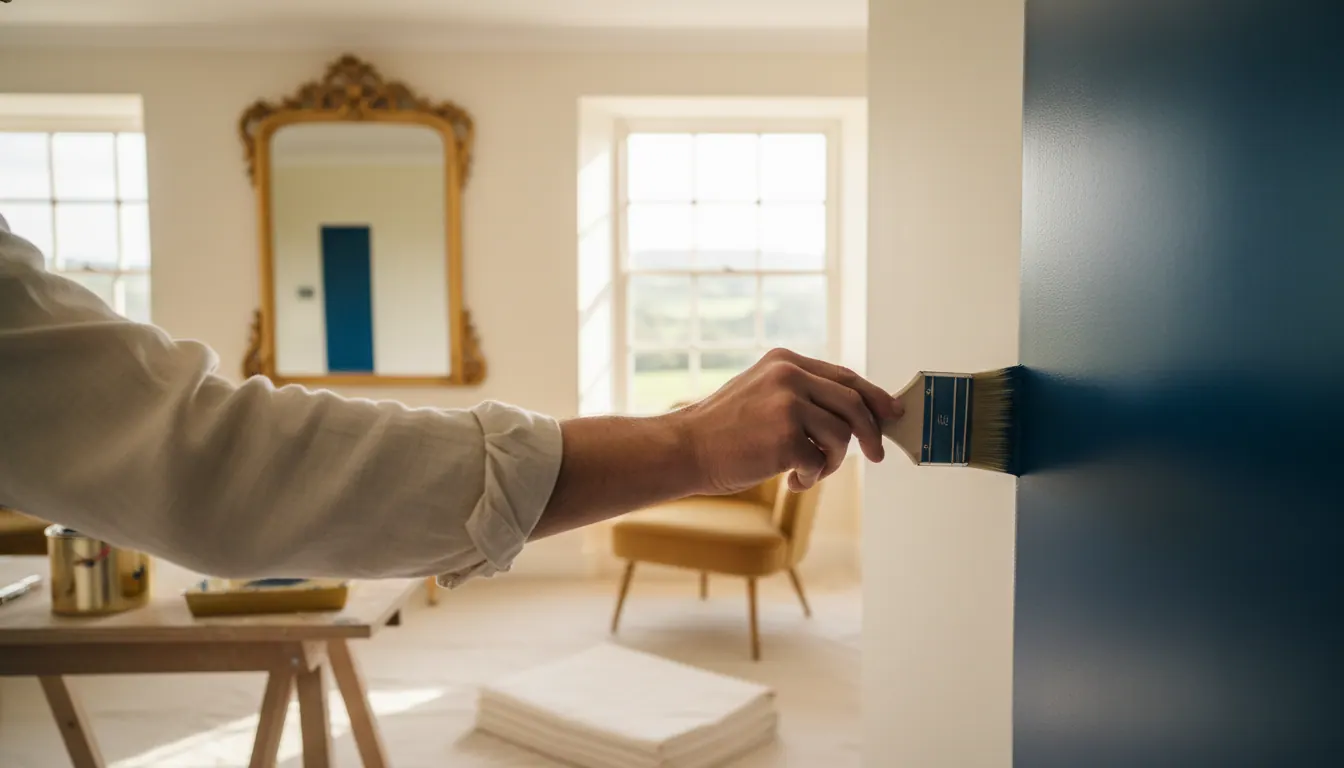
Cut in carefully. The junction between wall and ceiling, wall and skirting, wall and door frame. These lines define the whole room. A confident, clean cut-in with a quality brush, done with a steady hand and no rush, is what separates a professional finish from an amateur one.
Smooth Finishes on Doors and Woodwork
Interior doors are one of the most commented-on surfaces in any room. Run your hand across a door that has been painted badly and you will feel every brush stroke. Hold a lamp up to it and you will see them too.
The process for a smooth finish on a door is more involved than most people expect:
- Sand the existing surface back to remove any build-up, flaking or brush marks from previous coats.
- Apply a suitable primer or undercoat, again sanding back lightly when dry.
- Apply the top coat, working with the grain of the door panels, stiles and rails in sequence.
- Allow to dry fully before hanging or closing.
The type of applicator matters here too. A good quality brush, used with the right technique and the right product, will give a finer finish than a roller on most woodwork. Some professionals use a combination, rolling on the product and then laying it off with a brush.
Smooth Finishes in Older West Yorkshire Homes
A lot of homes across West Yorkshire are Victorian or Edwardian, with plaster walls that have decades of paint layers on them. These walls are rarely perfectly flat. They settle, they move slightly with the seasons, and previous decorating work may have left ridges, patches or uneven texture.
That does not mean a smooth finish is impossible. It means the preparation stage is even more important. Skim-coated plaster (which is a plasterer's job, not ours) can create a fresh, flat surface before decorating begins. Where that is not practical, careful filling, sanding and priming can bring most walls to a standard where a quality matt finish looks excellent.
We are honest about what decorating can and cannot achieve. If a wall has underlying structural movement, damp, or significant plaster damage, those issues need addressing before any decorating work begins. We will always say so.
Panelling and Feature Walls: A Different Kind of Smooth
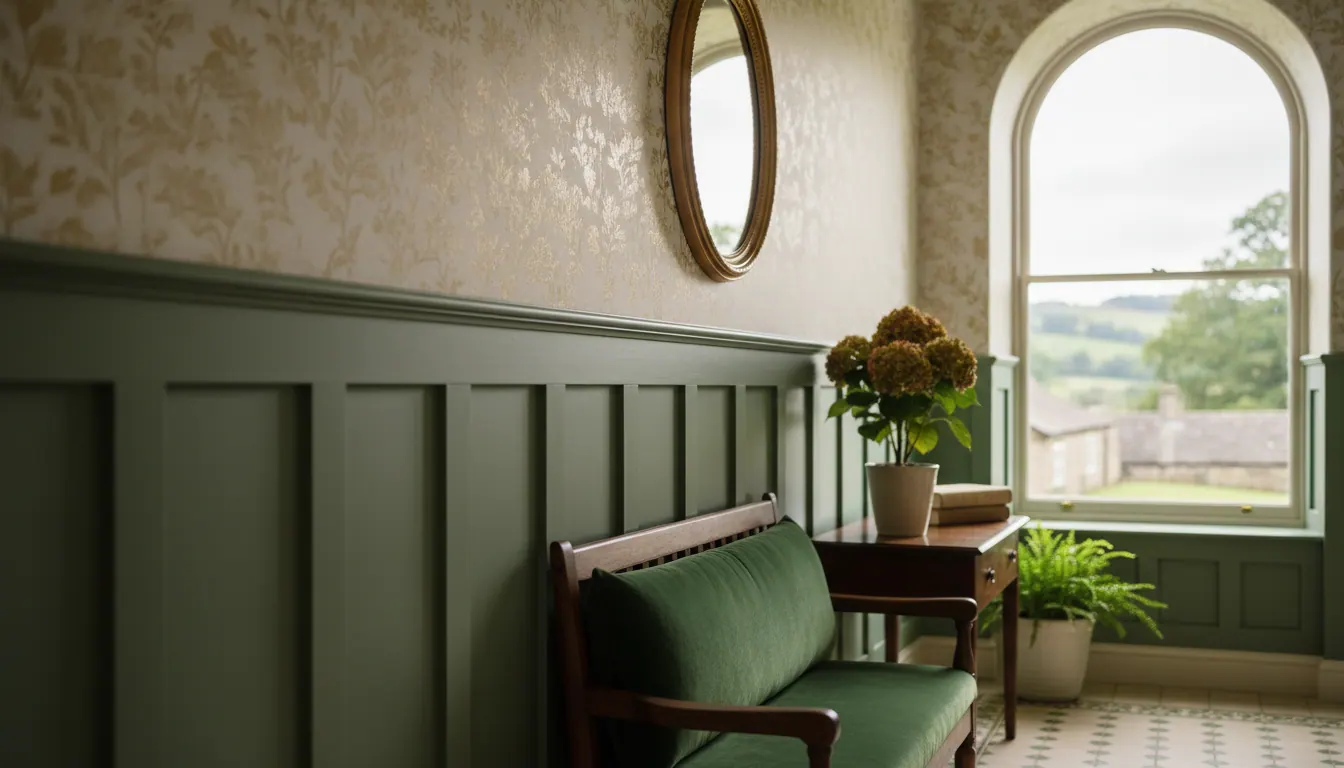
A growing number of homeowners across West Yorkshire are choosing wall panelling as a way to add depth and character to a room, and then having it painted to a smooth finish. The panelling itself introduces texture and shadow lines that make the overall effect feel considered and deliberate, while the paint finish on the panels needs to be just as clean as on any other surface.
Painting panelling well means priming the bare MDF or timber properly, filling any joints, sanding between coats, and using a finish that suits the style of the room. Eggshell or satin tends to work beautifully on panelling because the slight sheen picks up the moulding detail without looking flat.
If you are considering panelling alongside a fresh decorating scheme, our article on wall panelling ideas for West Yorkshire hallways is a good place to start thinking about the options.
Frequently Asked Questions
What kind of paint finish is best for interior walls? For most living rooms and bedrooms, a quality matt emulsion gives the smoothest-looking result because it does not reflect light in a way that highlights imperfections. For hallways and rooms that take more wear, an eggshell or satin finish is more durable and still looks clean and considered, provided the surface preparation is thorough.
How do you get a smooth finish with a roller on interior walls? Use a short-pile roller sleeve, keep coats thin, and work in a consistent pattern across the wall before back-rolling to lay off the finish. Allow each coat to dry completely, then sand lightly with a fine-grit sanding sponge before applying the next. Rushing between coats is the most common reason a rolled finish ends up looking textured rather than smooth.
How do you get a smooth finish on interior doors? Sand the existing surface back first, apply a primer or undercoat, sand again when dry, then apply the top coat in thin passes, working with the grain. A good quality brush laid off carefully will give a finer result than a roller on most doors. Patience between coats is essential.
How do you smooth paint after it has dried? A very light pass with a fine-grit sanding sponge or paper will knock back any nibs, dust particles or minor brush marks in a dried coat. Wipe the surface clean before applying the next coat. This is a standard step in professional decorating and makes a real difference to the final result.
Ready for a Smooth Finish in Your Home?
Getting the preparation right, choosing the correct finish for each surface, and applying it with care and patience. That is the whole process. It is not complicated, but it does take time and attention to detail, and that is exactly what we bring to every room we work in across West Yorkshire.
If you have a room that needs a properly smooth interior finish, whether that is walls, ceilings, woodwork or panelling, we would be glad to take a look and give you a clear quote. Call us on 07818 234913 or get in touch through our website contact form to arrange a visit.