Wall Panelling Ideas for West Yorkshire Hallways
Explore wall panelling ideas for hallways in West Yorkshire. From classic dado rails to full-height shaker panels, we cover styles, heights and finishes that work.
Wall panelling ideas for your hallway in West Yorkshire
A hallway sets the tone for the rest of your home. It is the first thing you see when you open the front door and the first thing guests notice, yet it is often the most neglected space. Wall panelling can change that, adding structure, depth and a sense of quality that paint alone rarely achieves.
This guide covers the styles worth considering, the practical questions to ask and the details that separate a hallway that looks good in a photo from one that looks exceptional in real life. Wall panelling, decorative features and installations are a speciality of Exquisite Detail Decorating Services, which serves West Yorkshire and surrounding areas.
Why hallways suit panelling
Hallways take a battering from bags, coats, swinging doors and passing traffic. Panelling can help protect the lower part of the wall from scuffs while looking considered and intentional. It also gives the eye a line to follow, which can help a tall or narrow hallway feel more balanced.
The main styles to consider
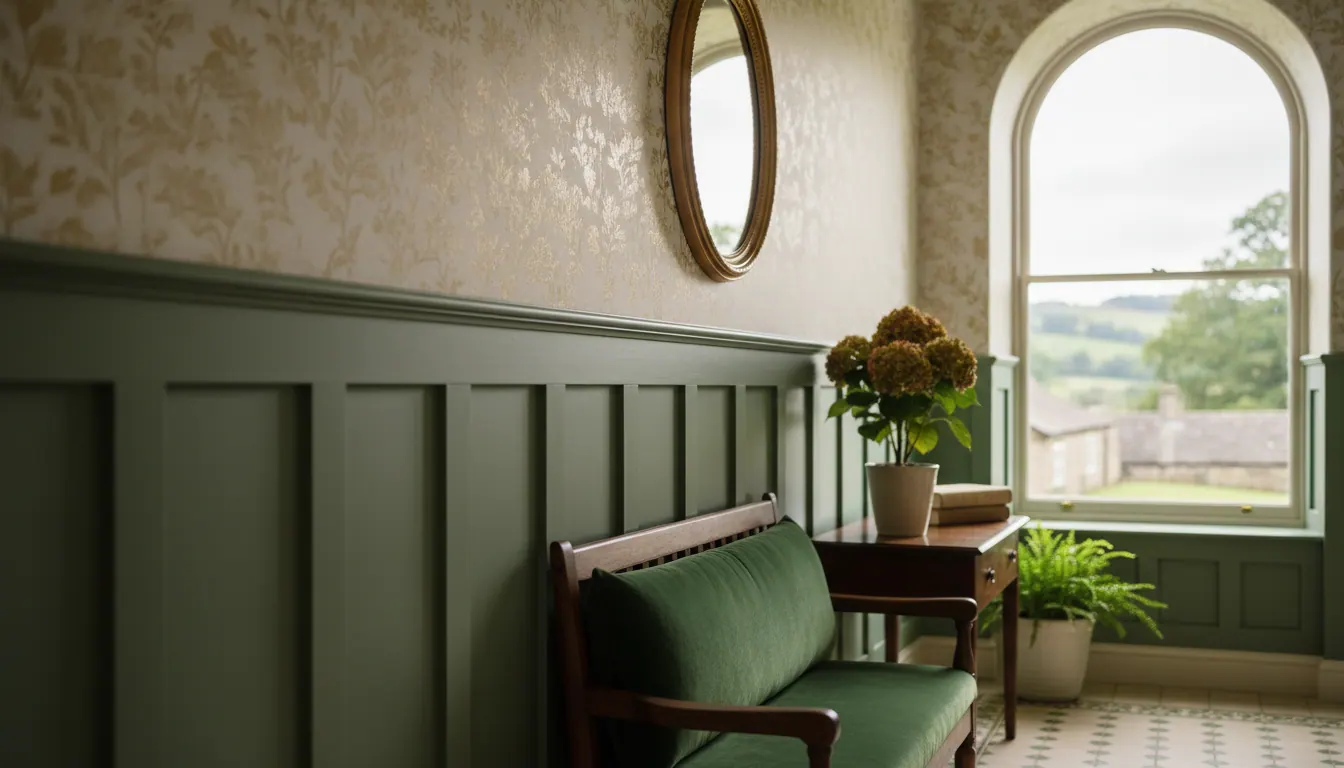
Dado and lower panelling. Panels run from the skirting board part-way up the wall, often finished with a rail across the top. The wall above is painted in a contrasting or complementary tone. It is a versatile option that works in many homes.
Full-height panelling. Panels running floor to ceiling make a strong statement. This suits wider hallways or those with good ceiling height. In a narrow space it can feel heavy unless the colour is kept light and the profile simple.
Shaker-style panels. Clean, recessed rectangles with a flat centre. This style reads as both traditional and contemporary and sits comfortably with many colour palettes.
Tongue and groove. Vertical boards give a more relaxed, cottage-style feel and add texture to a flat wall.
Geometric and bespoke layouts. Panels do not have to follow a standard grid. Layered mouldings and more individual layouts can be planned for a more bespoke result.
Height and proportion
Getting the height right matters. Too low and panelling can look like an afterthought. Too high and a hallway can feel enclosed. Many people choose roughly a third or half of the wall height, with full height for a more dramatic effect, but the right answer depends on your skirting, door frames, light switches and ceiling height. It is worth talking through the proportions of your own hallway before deciding.
Panelling on stairs and landings
The staircase wall is one of the most prominent surfaces in a home, and panelling it consistently with the hallway can create a coherent scheme. The angle of the stairs makes careful measurement important so the panels look precise. If you are planning both, think of it as one project so the profile, height and colour stay consistent.
Choosing colour for hallway panelling
- Use different tones for the panels and the wall above. Even a subtle contrast helps the panelling read as a deliberate feature.
- Consider the light. Hallways often receive limited natural light, so lighter, warmer tones can help. Darker colours can work well but need to be chosen with care.
- Think about what the hallway leads into. The colour should feel like a beginning rather than a full stop.
- Choose the finish carefully. A satin or eggshell finish is often a practical choice for a busy hallway because it is more wipeable and can make panel profiles look crisp. For more on colour, see our guide to choosing paint colours for feature walls.
The finish is everything
Panelling that is installed carefully but painted carelessly is a disappointment. The point of panelling is crisp lines, flat faces and defined profiles, so surface preparation, filling, sanding, priming and clean cutting-in all matter. It is worth choosing a decorator who treats the painted finish as seriously as the installation. Our guide to preparing a room for decorating covers the groundwork.
Frequently asked questions
What are the best options for hallway panelling? Shaker-style and dado-height panelling are versatile and suit a wide range of homes, while full-height or tongue and groove can add more drama or texture. The best choice depends on the proportions of your hallway and the look you want.
Is panelling still a popular choice? Panelling remains a popular way to add character and structure to a hallway, and there is a wide range of styles to suit different interiors.
How is hallway panelling done? Panel mouldings or boards are fixed to the wall in the chosen layout, joints and fixings are filled and sanded smooth, the surface is primed and the finish coats are applied. Careful measuring, cutting and preparation make a big difference to the result.
Can panelling and painting be done together? Yes. Exquisite Detail Decorating Services can handle the panelling and the decorating as part of one project.
Ready to transform your hallway?
If you are planning wall panelling in your West Yorkshire home, call 07818 234913 or get in touch via our contact form to tell us about your project and arrange a quote. You can also read more about our wall panelling service.